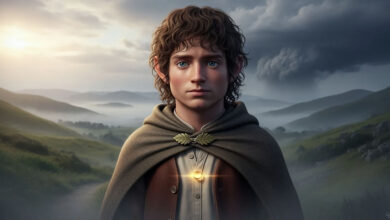
Few figures in modern magical history have inspired as much admiration and curiosity as Harry James Potter, the boy who survived the Killing Curse, the young wizard who helped bring down Lord Voldemort, and a man whose life continues to shape the wizarding world. His journey from orphaned infant to symbol of courage remains one of the most compelling stories of the post-war magical era.
Early Life and Family Background
Harry James Potter was born on 31 July 1980 in the village of Godric’s Hollow, a place known for its deep magical heritage. His parents, James and Lily Potter (née Evans), were members of the Order of the Phoenix, a secret organisation formed to resist the rise of the Dark wizard Lord Voldemort during the First Wizarding War.
When Harry was only fifteen months old, Voldemort tracked down the Potters, betrayed by their secret-keeper Peter Pettigrew. On the night of 31 October 1981, Voldemort murdered James and Lily but failed to kill Harry. The Killing Curse rebounded, leaving Voldemort nearly destroyed and Harry with his distinctive lightning-shaped scar.
Harry’s miraculous survival brought an end to Voldemort’s reign of terror and made him famous across the wizarding world as “The Boy Who Lived.” However, to protect him from danger and public attention, Albus Dumbledore, Headmaster of Hogwarts, placed Harry in the care of his only living relatives, his aunt and uncle, Petunia and Vernon Dursley, Muggles who lived in Little Whinging, Surrey.
A Difficult Childhood
Harry’s early life with the Dursleys was marked by neglect and cruelty. Forced to live in the cupboard under the stairs at Number Four, Privet Drive, he grew up unaware of his magical heritage. His cousin, Dudley Dursley, bullied him relentlessly, while Petunia and Vernon sought to suppress any sign of magic.
Despite their efforts, strange incidents often occurred around Harry, hair growing back overnight, objects moving without explanation, and one notorious episode involving a vanishing zoo enclosure.
Everything changed in the summer of 1991, when Harry began receiving mysterious letters. The Dursleys tried to keep them from him, but Rubeus Hagrid, Keeper of Keys and Grounds at Hogwarts, personally delivered his acceptance letter to the Hogwarts School of Witchcraft and Wizardry, revealing Harry’s true identity as a wizard.
Education at Hogwarts
Harry began attending Hogwarts in September 1991, where he was sorted into Gryffindor House. For the first time in his life, he found friendship, belonging, and purpose. He quickly became close to Ron Weasley and Hermione Granger, friendships that would define his youth.
His natural talent for Quidditch earned him a place on the Gryffindor team as the youngest Seeker in over a century. Yet his fame as The Boy Who Lived brought constant attention, not all of it welcome. During his seven years at Hogwarts, Harry became entangled in events that would ultimately decide the fate of the wizarding world.
In his first year, he faced Professor Quirrell and prevented the theft of the Philosopher’s Stone, thereby thwarting Voldemort’s initial attempt to regain physical form.
In his second year, he discovered and defeated the monster of the Chamber of Secrets, saving Ginny Weasley and proving that his bravery matched his reputation.
His third year saw the revelation that his godfather, Sirius Black, had been wrongly imprisoned, and that the real betrayer of his parents was Peter Pettigrew.
The Triwizard Tournament of his fourth year ended in tragedy with the death of Cedric Diggory and Voldemort’s full return to power.
From that point onward, Harry’s life became a battle between truth and denial. In his fifth year, despite the Ministry of Magic’s attempts to discredit him, Harry founded Dumbledore’s Army to train fellow students in defensive magic. The ensuing Battle of the Department of Mysteries confirmed Voldemort’s return to the entire wizarding world, but at the cost of Sirius Black’s life.
His sixth year was dominated by preparation. Under Dumbledore’s guidance, Harry learned about Voldemort’s Horcruxes, objects containing fragments of his soul, and the two began searching for ways to destroy them. That same year, Dumbledore was murdered by Severus Snape, setting the stage for the final conflict.
The Second Wizarding War
After Dumbledore’s death, Harry, Ron, and Hermione did not return to Hogwarts. Instead, they embarked on a dangerous mission to locate and destroy the remaining Horcruxes. The trio lived in secrecy, hunted by Voldemort’s followers, the Death Eaters, while the Ministry of Magic fell under Voldemort’s control.
Their journey was long and perilous. They recovered key Horcruxes, including Slytherin’s locket, Hufflepuff’s cup, and Ravenclaw’s diadem, and uncovered the legend of the Deathly Hallows, three mythical objects said to make their bearer the Master of Death.
The war reached its climax with the Battle of Hogwarts on 2 May 1998. Hundreds of students, teachers, and members of the resistance fought against Voldemort’s forces. Harry willingly sacrificed himself to save others, confronting Voldemort in the Forbidden Forest. The Killing Curse struck him, but the protective magic from his mother’s sacrifice, and the connection between their wands, allowed him to survive once more.
In the final confrontation inside the Great Hall, Voldemort was killed by his own rebounding curse, ending decades of fear and bloodshed. Harry Potter, still only seventeen years old, had fulfilled the prophecy that tied their fates together.
Life After the War
Following Voldemort’s defeat, Harry declined the offer of an honorary position at the Ministry and chose instead to complete his education at Hogwarts. Afterwards, he joined the Auror Office, where he worked under Kingsley Shacklebolt to reform the Ministry of Magic.
In his career, Harry became known not only for his bravery but for his commitment to fairness and justice. He was later promoted to Head of the Auror Office, helping rebuild trust in the institution after years of corruption and fear.
Harry also maintained close relationships with his friends. Hermione Granger went on to become Minister for Magic. At the same time, Ron Weasley joined him briefly at the Auror Office before working with his brother George at Weasleys’ Wizard Wheezes in Diagon Alley.
In his personal life, Harry married Ginevra “Ginny” Weasley, a professional Quidditch player for the Holyhead Harpies and later a respected journalist for the Daily Prophet. Together, they had three children: James Sirius, Albus Severus, and Lily Luna.
The family settled near Ottery St. Catchpole in Devon, maintaining strong ties with both the Weasley and Granger families. Despite his fame, Harry lived modestly and avoided publicity, preferring a quiet life focused on family, work, and community.
Legacy and Modern Influence
Harry Potter’s influence extends far beyond his personal achievements. He remains a symbol of resilience, compassion, and the triumph of moral courage over tyranny. His life story is now part of the wizarding curriculum across Britain and beyond, studied in courses on Magical History, Ethics, and Defence Against the Dark Arts.
He is credited with ushering in an era of openness between magical and non-magical communities and for helping dismantle the prejudices that once divided wizarding society by blood status.
Harry himself has repeatedly downplayed his fame, insisting that the real heroes were “the ones who never came home.” Still, memorials to those who fell during both wizarding wars stand in places he helped protect, notably at Hogwarts, Godric’s Hollow, and the Ministry of Magic atrium.
Now in his forties, Harry continues to serve in the Ministry and occasionally lectures at Hogwarts, emphasising the value of empathy and accountability in the use of magic. Those who know him describe him as humble, steady, and intensely loyal, the same qualities that made him, as a young man, capable of changing the world.
Historical Assessment
Within the broader tapestry of magical history, Harry Potter’s story represents the enduring conflict between love and fear, freedom and control. His refusal to seek power, despite countless opportunities to claim it, distinguishes him from many of the significant figures of his time.
Historians have noted that Harry’s strength lay not in his magical ability, though formidable, but in his capacity for forgiveness. His decision to spare Draco Malfoy, to save Peter Pettigrew, and to honour Severus Snape after learning the truth of his sacrifices all speak to a moral clarity rare in times of war.
His story, taught in wizarding schools worldwide, continues to inspire young witches and wizards to question authority, value friendship, and act with conscience even when the world seems lost to darkness.
Final Thoughts
The life of Harry James Potter is, above all, a story of choice. Born into conflict, raised in hardship, and burdened by destiny, he emerged not as a conqueror, but as a man who chose compassion over vengeance, loyalty over ambition, and truth over comfort. As the world continues to evolve beyond the shadows of the past, Harry Potter remains a living reminder that courage is not the absence of fear, but the determination to do what is right despite it.
Harry Potter FAQ
Harry Potter is a British wizard known for defeating Lord Voldemort and helping end the Second Wizarding War. He is regarded as one of the most influential figures in modern magical history.
His survival was due to an ancient form of protection, his mother Lily’s self-sacrifice, which created a magical shield that rebounded Voldemort’s curse.
After the war, Harry became an Auror and later Head of the Auror Department, dedicating his life to justice and equality within the wizarding world.
His two lifelong friends are Ron Weasley and Hermione Granger, both of whom fought beside him during the Second Wizarding War and played key roles in Voldemort’s defeat.
Harry lives in Devon with his wife Ginny and their three children, maintaining close ties with the Weasley and Granger families.